Haley Joel Osment’s journey through Hollywood is a powerful story of transformation, resilience, and staying true to one’s passion. Once known as a wide-eyed child star with an angelic face, Osment has quietly matured into a seasoned actor with an impressive and diverse body of work. His evolution over the past three decades reveals not only a strong commitment to the craft of acting but also a personal journey of growth and reinvention.

Humble Beginnings: 1994–1997
Osment first stepped into the spotlight at just five years old, appearing as Forrest Jr. in the Oscar-winning film Forrest Gump (1994). Though the role was brief, his ability to convey emotional depth left a lasting impression. Even as a child, Osment demonstrated a maturity beyond his years, catching the eyes of casting directors with his expressive eyes and nuanced delivery.
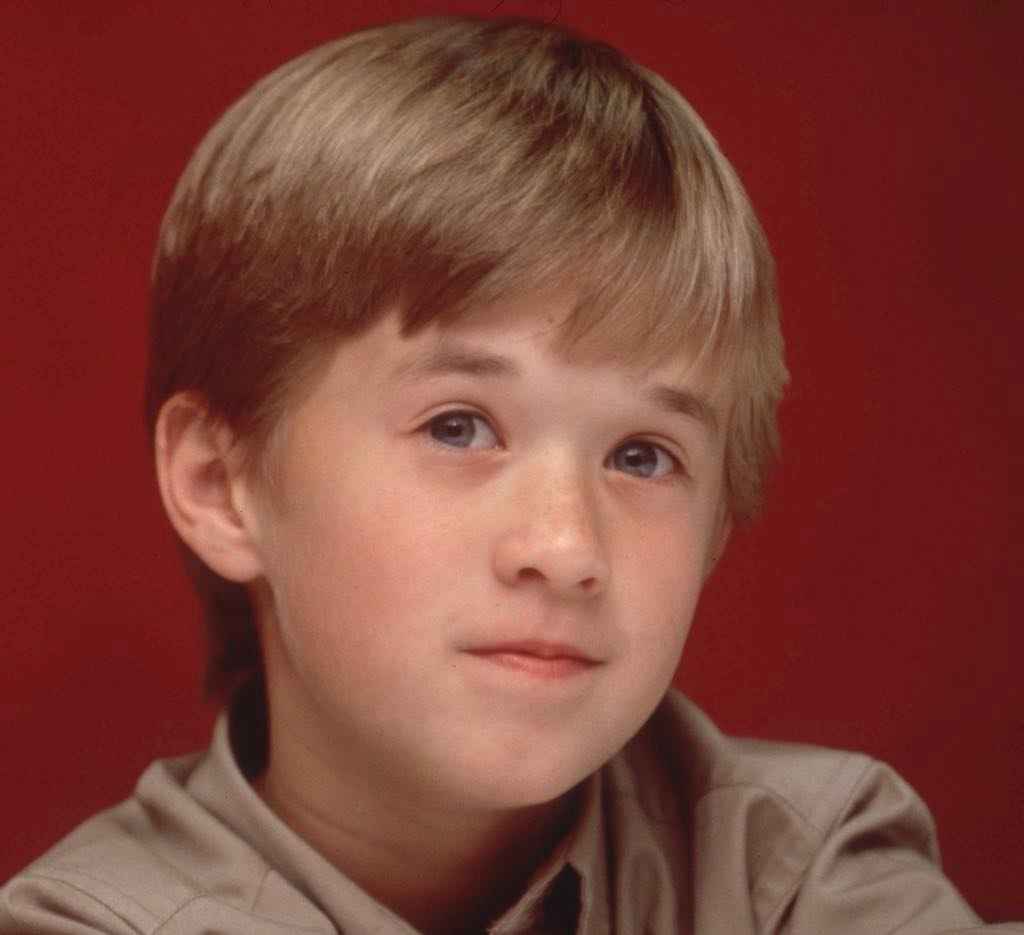
This early recognition quickly led to more roles, and Osment became a go-to child actor in family-friendly films and television shows. His charm and ability to project innocence made him a favorite among audiences and critics alike. Even at a young age, Osment had an uncanny way of drawing viewers into his performances, often delivering emotionally rich characters that felt real and relatable.
A Defining Role: “The Sixth Sense” (1999)
The pivotal moment in Osment’s career came in 1999 with M. Night Shyamalan’s The Sixth Sense. Cast as Cole Sear, a boy tormented by the ability to see the dead, Osment delivered a haunting performance that captivated audiences and critics worldwide. His chilling line, “I see dead people,” instantly became a cultural landmark and cemented his place in cinematic history.

The role earned Osment an Academy Award nomination for Best Supporting Actor — a rare feat for someone so young. His performance was lauded for its raw emotional power and complexity, establishing him not just as a child star but as a serious actor with real staying power.
Navigating Adolescence in the Spotlight: Early 2000s
Like many child actors, Osment faced challenges transitioning into more mature roles. As he grew older, his appearance and voice changed, pushing him to seek characters that reflected his evolving identity. Determined not to be pigeonholed, he leaned into complex, layered roles in films like Pay It Forward (2000) and A.I. Artificial Intelligence (2001). These performances further proved his talent and helped shed the “child star” label.

During this period, Osment remained active and in demand. He regularly attended awards shows and remained a public figure, handling the pressures of fame with grace and focus. He was clearly committed to his craft, a quality that would carry him through the difficult years ahead.
Trials and Self-Reflection: 2006–2012
Osment’s career faced turbulence in 2006 when he was arrested for a DUI, a moment that could have derailed his trajectory. Rather than allowing the incident to define him, he chose a different path. He stepped back from the spotlight and took time to reflect and grow.

He enrolled at NYU’s Tisch School of the Arts, studying experimental theater and deepening his understanding of performance. This academic detour allowed him to reconnect with acting on a more meaningful level. It was a period of personal recalibration — one that helped him rebuild his identity not just as an actor, but as an artist.
Reinvention and a New Chapter: 2013–Present
With a renewed passion and a broader perspective, Osment returned to Hollywood — but on his own terms. He embraced indie projects and unconventional roles, distancing himself from his child star image. Appearances in shows like Entourage and the satirical miniseries The Spoils of Babylon revealed his willingness to experiment and expand his range.
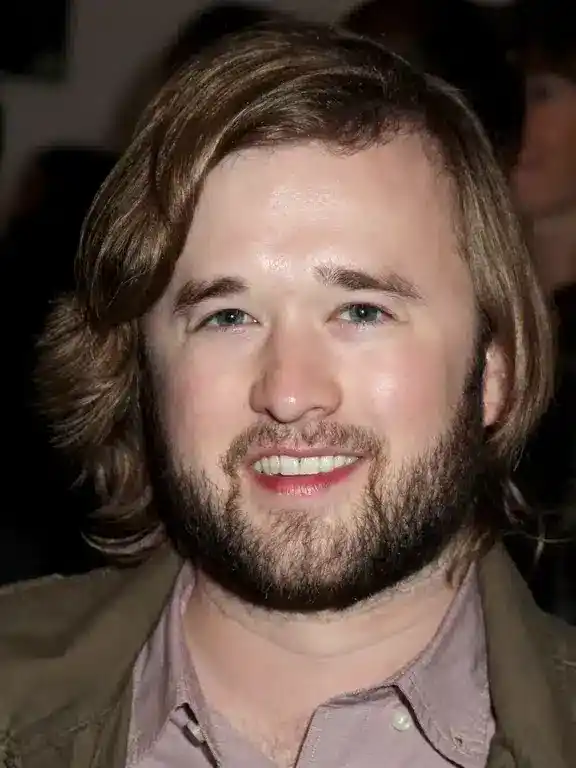
In the 2014 dark comedy Tusk, Osment delivered a performance that was both humorous and chilling, a far cry from his earlier work. It was clear he was no longer chasing mainstream fame, but instead choosing roles that allowed him to explore new dimensions of storytelling. This creative freedom helped solidify his place as a respected and adaptable actor in the industry.
Osment’s physical transformation also became part of his reinvention. Sporting a full beard and a more grounded demeanor, he often flies under the radar, letting his work speak louder than his fame. It’s a conscious decision — one that reflects his desire to be taken seriously as an actor, not just remembered as a child prodigy.
A Career That Inspires: Then, Now, and Beyond
Looking back, Osment’s career paints a picture of perseverance and evolution. He didn’t simply survive the pitfalls of early fame — he grew through them. While many young stars struggle to maintain relevance, Osment took a different route, stepping away when needed, learning, and returning with renewed purpose.
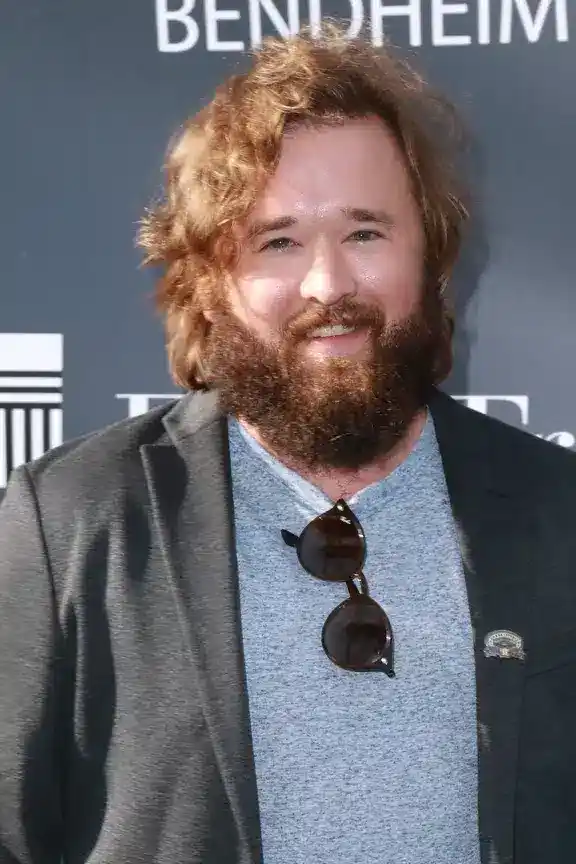
Today, he continues to take on roles that challenge him and keep him passionate about his work. Fans who grew up watching him in The Sixth Sense now see an actor who has matured into a thoughtful, skilled performer. His journey reminds us that success doesn’t always follow a straight path — sometimes, the most meaningful growth happens in the detours.
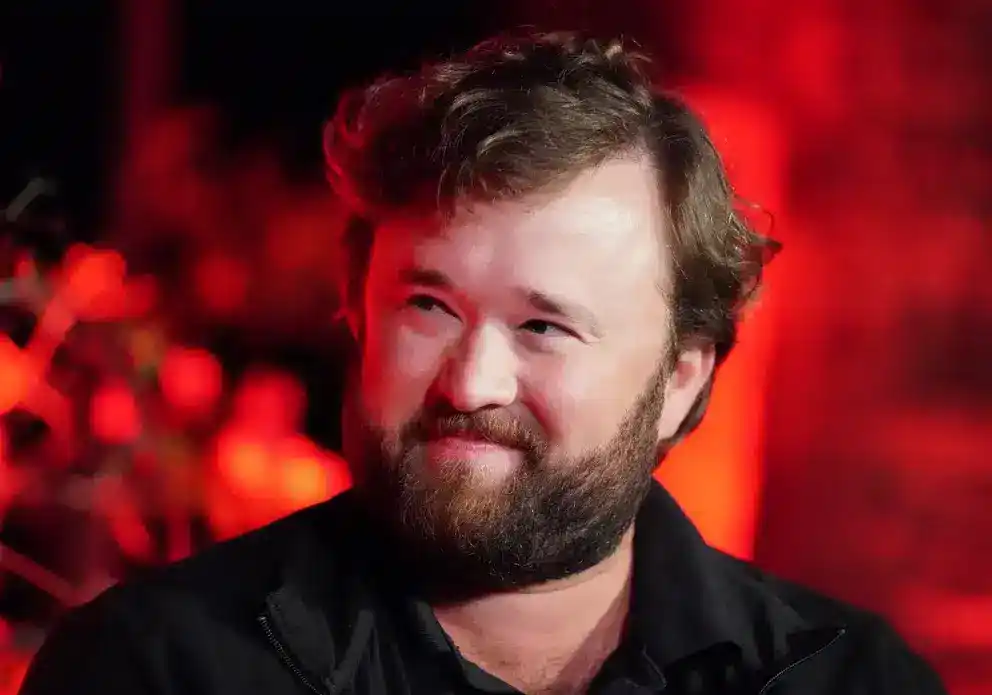
Haley Joel Osment stands as a symbol of resilience in Hollywood. He’s more than just the boy who saw dead people — he’s a testament to what it means to evolve, adapt, and thrive in an ever-changing industry. And if his story is any indication, the best may still be yet to come.