The Victorian era (1837-1901) was a time of immense change, marked by industrial advancements, evolving social norms, and a surge in artistic expression. But perhaps one of the most fascinating aspects of this period was its strikingly unusual fashion trends—some of which seem downright bizarre by today’s standards. From deadly dyes to extreme corsets, let’s take a deep dive into the bold and bewildering fashion statements that dominated the 19th century.
1. Dresses Dyed with a Poisonous Green Pigment
One of the most infamous Victorian fashion trends involved Paris Green, a vibrant yet lethal pigment containing arsenic. This toxic dye was used in wall paint, textiles, and even dresses, despite the fact that exposure to arsenic often led to serious illness and death.
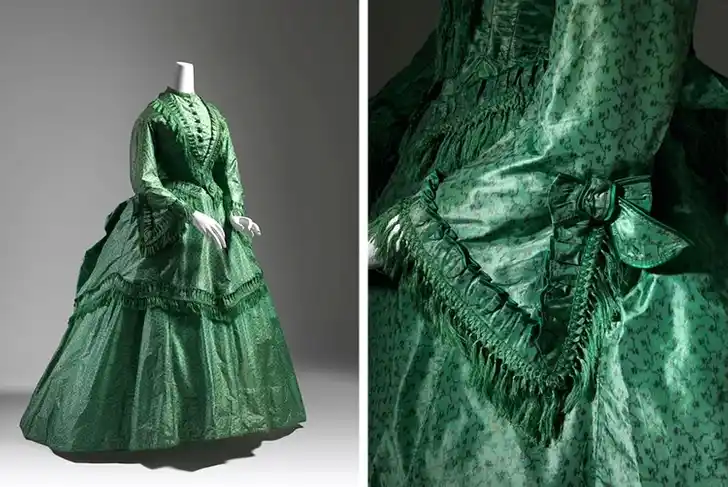
Though people knew arsenic was dangerous, it took a shockingly long time before they connected it to the mysterious deaths occurring around them. The problem? When damp or wet, Paris Green released arsenic fumes, poisoning those who wore or handled the fabric. Despite the risks, Victorians couldn’t resist its rich emerald hue—a testament to just how far people were willing to go for fashion.

2. Dresses Adorned with Beetle Wings
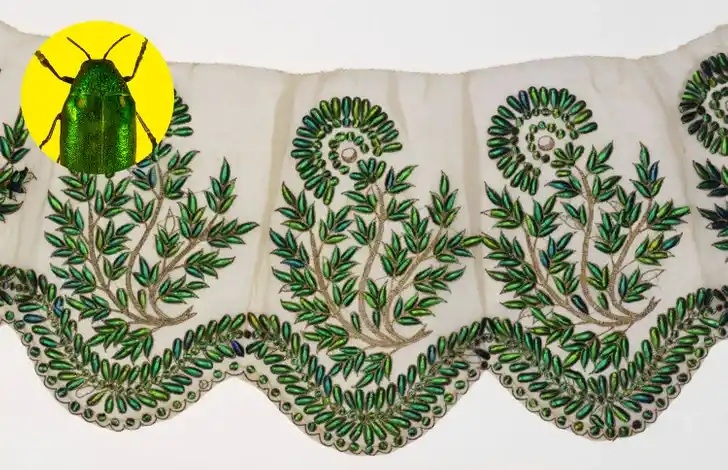
Forget sequins—Victorians had a different way to add sparkle to their outfits. Instead of synthetic embellishments, dressmakers adorned garments with real beetle wings.

These iridescent wings, often collected from jewel beetles, were surprisingly sustainable, as they were gathered after the insects died naturally during mating season. The wings were stitched onto dresses to create a dazzling, shimmering effect, making Victorian fashion a unique mix of nature and elegance.
While this might sound unsettling, the Victorians saw it simply as a way to add brilliance and glamour to their attire. If you didn’t know they were beetle wings, you’d likely assume they were simply beautiful embellishments.
3. Jewelry and Accessories Made from Human Hair

Victorian fashion blurred the lines between sentimentality and strangeness, particularly when it came to jewelry. Hair accessories made from real human hair became a major trend—especially for those mourning the loss of a loved one.
These intricate pieces were more than just ornaments; they were seen as deeply personal keepsakes. People wove locks of hair into bracelets, brooches, necklaces, and even purses, often encasing strands inside glass medallions. While it may seem macabre today, back then, it was a sentimental way to preserve the memory of a deceased family member.

4. Hats Decorated with Entire Stuffed Birds

Victorian fashion wasn’t always kind to wildlife. One of the most tragic trends was the practice of adorning hats with full taxidermied birds.
Not just feathers, but entire stuffed birds were mounted on women’s hats as a status symbol and fashion statement. This disturbing fad led to a severe decline in bird populations, prompting early conservation movements led by women. Organizations like the Audubon Society fought against the trend, and magazines such as Harper’s Bazaar raised awareness about its devastating environmental impact.
Thankfully, this fashion disaster was short-lived, and the public eventually turned against it—marking one of the first major instances of fashion-driven conservation efforts.
5. Corsets That Permanently Reshaped Women’s Bodies

No discussion of Victorian fashion is complete without mentioning corsets. While they didn’t necessarily cause fainting spells or deaths, they dramatically altered women’s anatomy.
Tightly laced corsets compressed the ribcage, restricted breathing, and weakened muscles over time. In extreme cases, they even shifted internal organs, changing a woman’s body shape permanently. Although some modern myths exaggerate their dangers, the reality was that corsets did have lasting effects on the female body, making Victorian women’s torsos noticeably different from those of today.

6. Gigantic Crinoline Skirts That Caused Chaos

As Victorian fashion evolved, skirts became ridiculously wide—so much so that women had trouble walking through doorways, sitting down, or getting into carriages.
To achieve this extreme volume, women relied on crinolines, which were cage-like structures made of steel hoops that supported their dresses. While crinolines technically allowed for more freedom of movement underneath the dress, their impracticality made daily life comically difficult.

Historical photos even capture women struggling to maneuver in their oversized gowns, proving that fashion was often prioritized over function.
7. Open-Crotch Underwear for Convenience
One of the most unexpected Victorian fashion choices? Women’s underwear had open crotches.
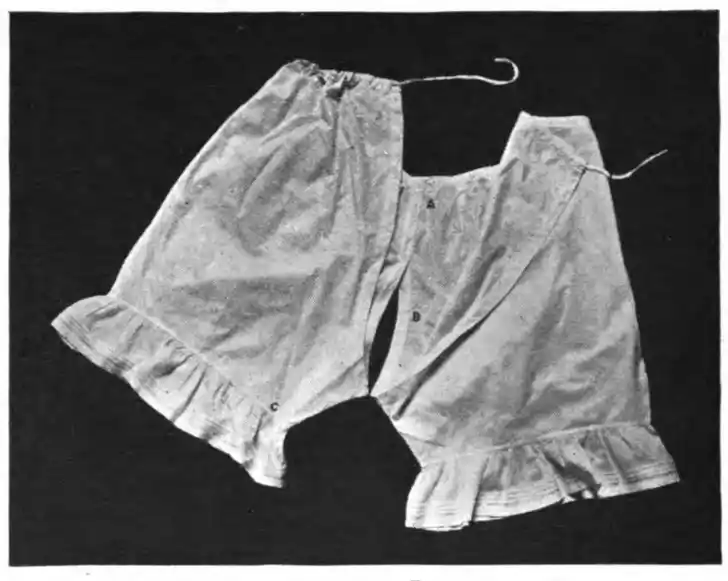
While this sounds shocking today, the reasoning was purely practical. Given that Victorian women wore multiple layers of skirts and crinolines, using the bathroom was a time-consuming ordeal. To solve this, their underwear was designed with an open seam—allowing them to relieve themselves without removing layers of clothing.
Modern standards of modesty and hygiene might make this seem bizarre, but for the Victorians, it was a logical solution to a daily challenge.
8. All Young Children Wore Dresses—Boys Included

In the 19th century, clothing wasn’t as gender-specific as it is today. Until about the age of four, both boys and girls wore dresses—often adorned with lace and frills.
The more elaborate the dress, the wealthier the family, as children’s clothing was a status symbol. Only after reaching a certain age would boys transition into trousers, a rite of passage known as “breeching.”
This practice may seem unusual now, but at the time, it was completely normal for all toddlers—regardless of gender—to be dressed in gowns.
9. The Ridiculous Bustle Trend

In the 1870s and 1880s, fashion took a turn for the dramatic with the rise of the bustle—a padded undergarment designed to exaggerate the rear. Some bustles protruded at a near 90-degree angle, making it almost impossible to sit normally.
While the bustle gave women an hourglass silhouette, it also made movement incredibly awkward. Despite its impracticality, it remained a defining fashion trend of the era.
10. The Mourning Dress Obsession

With diseases, wars, and high mortality rates, Victorians were no strangers to grief. This led to a widespread mourning fashion trend, where widows and family members dressed entirely in black for extended periods.
Mourning etiquette dictated that a widow had to wear black dresses, black buttons, and even black jewelry. If she remarried, her wedding dress also had to be black. Some women even wore jewelry made from their deceased loved ones’ hair, further reinforcing the Victorian fixation on death and remembrance.
11. Bloomers: A Short-Lived Fashion Revolution

In the mid-19th century, Amelia Bloomer introduced an alternative to restrictive dresses—baggy trousers worn under shorter skirts. Though they provided greater mobility and comfort, they were ridiculed by society and never gained widespread acceptance.
Despite their failure at the time, bloomers paved the way for the more practical women’s fashion that would emerge in later decades.
Victorian Fashion: Strange, Stunning, and Sometimes Deadly
The Victorian era was filled with fashion extremes, blending elegance, extravagance, and outright impracticality. From arsenic-laced gowns to cage-like crinolines, these trends remind us that throughout history, people have been willing to suffer for style.
While modern fashion has its own bizarre trends, few compare to the bold (and sometimes dangerous) choices of the 19th century.


