Elon Musk has once again ignited a firestorm in the tech world, this time by calling for a large-scale boycott of Microsoft. The billionaire entrepreneur has accused the tech giant of monopolizing artificial intelligence, stifling competition, and suppressing innovation—claims that have only deepened his long-standing rivalry with Microsoft co-founder Bill Gates.
Musk’s criticism of Microsoft is not new, but his latest remarks have intensified the ongoing debate over corporate influence in AI development. At the heart of his frustration is Microsoft’s multi-billion-dollar investment in OpenAI, the very research organization Musk helped establish. He contends that OpenAI was originally founded as a nonprofit to advance AI in a way that benefits humanity, not corporate shareholders. However, with Microsoft’s significant financial backing and deep integration with OpenAI’s cutting-edge technology, Musk believes the company has strayed from its original mission.
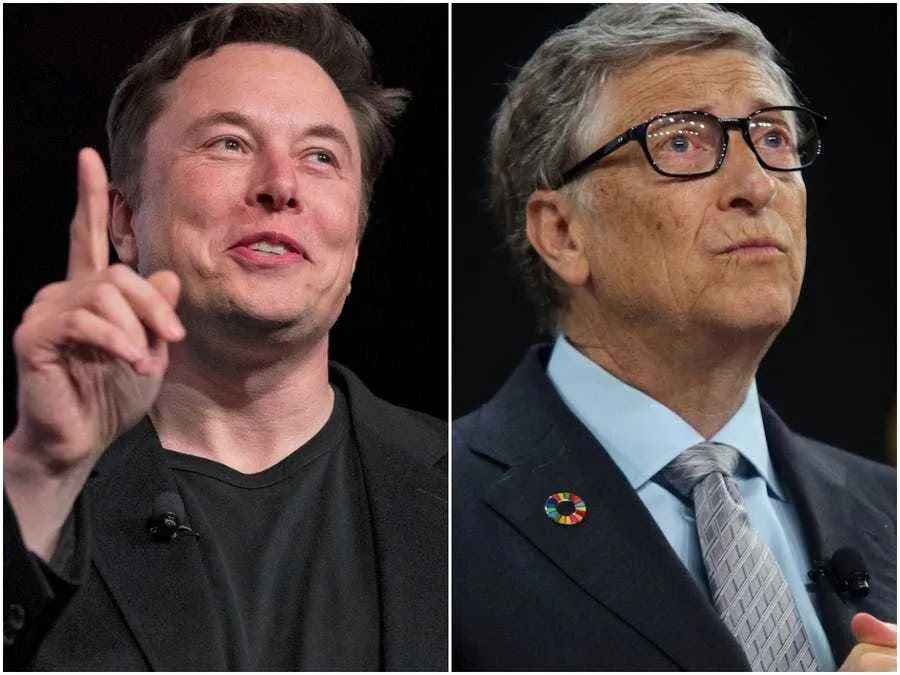
According to Musk, Microsoft’s increasing control over OpenAI is an example of how major corporations are prioritizing profits over ethical AI development. He has expressed concerns that AI should not be in the hands of a single dominant player, arguing that innovation flourishes best when there is open competition and decentralized progress.
Musk’s supporters echo these sentiments, asserting that Microsoft’s influence in AI development is too vast and potentially dangerous. They argue that a single corporation wielding so much power over the future of artificial intelligence could lead to biased systems, reduced transparency, and a stifling of smaller players in the industry. Critics, however, point out that Musk himself is no stranger to monopolistic behavior. His companies, Tesla and SpaceX, hold dominant positions in the electric vehicle and space exploration industries, respectively. Some argue that his call for decentralization may be more about personal interests than a genuine concern for AI ethics.
This ongoing dispute highlights two starkly different philosophies regarding the future of technology. On one side, Musk advocates for a decentralized, open-source approach to AI, where advancements are made collaboratively and accessible to the public. On the other, Gates and Microsoft have taken a more traditional corporate approach, leveraging strategic partnerships and large-scale infrastructure to accelerate AI development.
While Microsoft has remained silent on Musk’s latest accusations, the escalating feud between these two tech giants raises critical questions about the future of AI and the role of corporate influence in shaping technological advancements. The outcome of this debate could have far-reaching consequences, not only for the AI industry but for the entire technology sector as companies grapple with the balance between innovation, competition, and ethical considerations.
As the rivalry between Musk and Gates continues to unfold, one thing remains clear—this debate is far from over, and its implications could shape the future of artificial intelligence for years to come.


