As Princess Kate continues her gradual return to public duties after her remission from cancer, her dedication to advocating for early childhood development remains unwavering. Her initiative, Shaping Us, highlights the critical importance of creative play in fostering social and emotional skills during a child’s formative years. Recently, Princess Kate invited her children—Prince George, Princess Charlotte, and Prince Louis—to participate in a family art session, and the outcome quickly became a topic of conversation online.
The royal family shared the portraits on their official Instagram account, and it didn’t take long for fans to express their admiration.
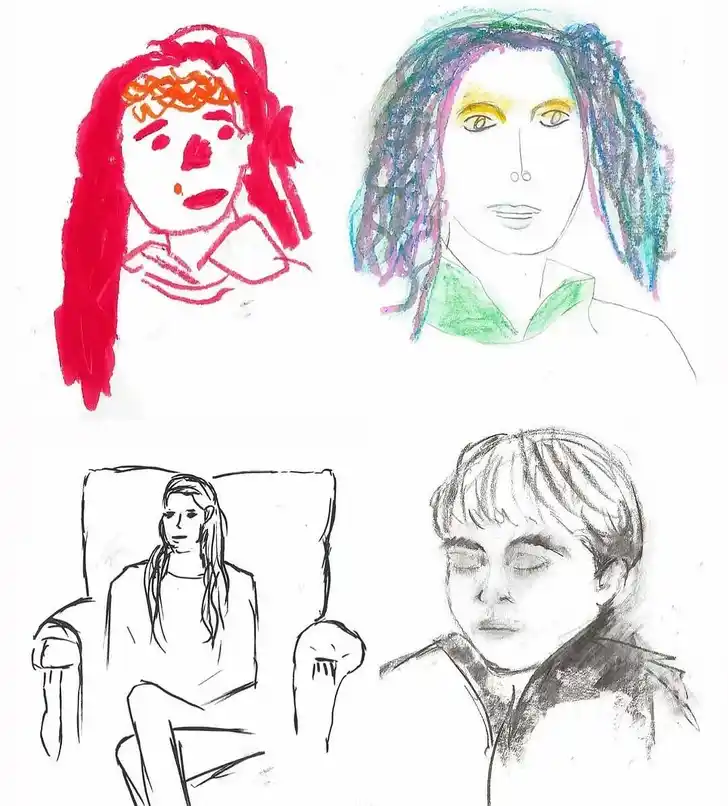
While the artwork was met with widespread praise, one particularly touching detail in Prince Louis’s drawing caught the attention of many.
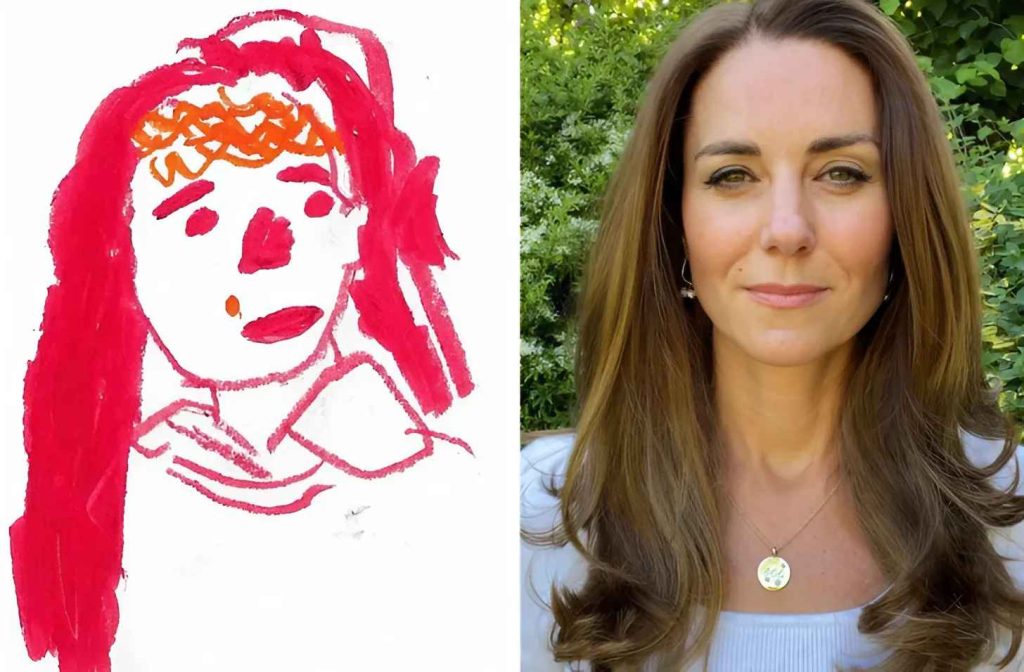
At just six years old, Prince Louis demonstrated his artistic abilities by creating a portrait of his mother using bold red and orange tones. These colors exude warmth and affection, perfectly reflecting the loving bond he shares with Princess Kate. The young prince’s focus on detail—depicting his mother’s flowing hair and bright smile—reveals the deep admiration and love he has for her.
What really stood out was how Prince Louis managed to include a subtle, but meaningful, detail in his artwork: the beauty mark above Princess Kate’s upper lip. One fan pointed out, “Prince Louis is a child who sees details. I noticed that he was the only one who drew the beauty mark on the side of his mother’s mouth.” It’s a small, but heartfelt, gesture that demonstrates how much he truly sees and appreciates his mother.
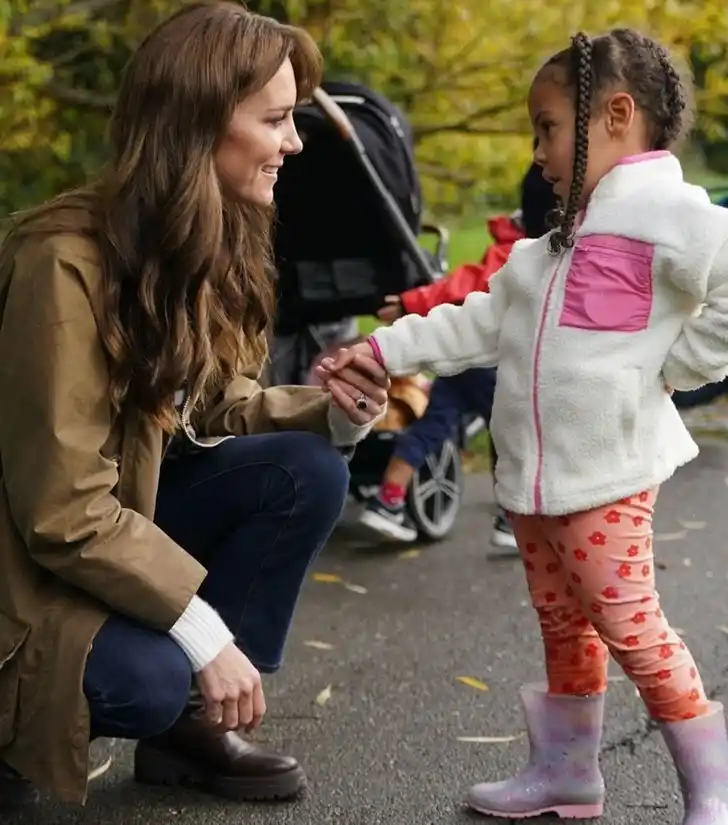
The release of these intimate family portraits offers a rare, behind-the-scenes look at the royal family’s personal lives. It also sheds light on the values they hold dear, particularly the importance of nurturing and supporting children’s growth through creative expression.
Princess Kate, who holds an art history degree from the University of St. Andrews, has always championed the role of the arts in child development. In 2021, she launched the Royal Foundation Centre for Early Childhood, aimed at raising awareness about the significant impact the early years have on lifelong outcomes. Through her Shaping Us initiative, the foundation strives to provide resources and support for parents and caregivers, creating environments where children can explore their creativity.
In an accompanying statement about the shared portraits, Princess Kate noted, “Drawing portraits with children provides an opportunity for connection, as you focus on each other while being creative—and most importantly, having lots of fun together!” This highlights her belief that such activities are not only enjoyable but also essential for strengthening bonds between parents and children.
Scientific research supports the importance of social and emotional development during early childhood, emphasizing that these skills are crucial for managing thoughts, emotions, and relationships throughout life. Engaging in creative activities like drawing allows children to develop these essential skills in a supportive, fun-filled environment.
Princess Kate’s hands-on approach serves as an inspiration for families around the world, encouraging them to integrate creative activities into their everyday routines. These practices not only strengthen family relationships but also contribute to the overall development of children, helping them grow emotionally and socially.
Here are some effective strategies to promote the development of social and emotional skills in early childhood:
1. Storytelling and Role-Playing:
Involving children in storytelling and role-playing helps them understand emotions, build empathy, and improve problem-solving skills. By acting out different scenarios, children learn how to navigate social situations and express their feelings in appropriate ways. These activities foster emotional intelligence and social competence.
2. Encouraging Group Activities:
Participating in group activities helps children develop important social skills, such as sharing, cooperation, and taking turns. Collaborative play, whether building with blocks or engaging in group games, promotes teamwork and teaches children how to navigate social dynamics effectively.
3. Teaching Emotional Vocabulary:
Introducing children to an emotional vocabulary enables them to identify and express their feelings more clearly. Helping children label their emotions fosters better communication and promotes emotional regulation. Discussing feelings openly encourages self-awareness and emotional growth.
4. Practicing Active Listening:
Teaching children the importance of active listening—such as making eye contact, giving full attention to speakers, and responding thoughtfully—helps them build stronger relationships and resolve conflicts more effectively. Activities that require following directions can also enhance listening skills.
5. Encouraging Empathy Through Acts of Kindness:
Involving children in acts of kindness, such as helping peers or sharing with others, fosters empathy and compassion. These experiences teach children to recognize and respond to the feelings of others, promoting prosocial behavior and emotional understanding.
6. Creating a Safe Space for Expression:
Providing children with a nurturing environment where they feel safe expressing their emotions is essential. Encouraging open discussions about feelings and reassuring children that all emotions are valid helps them develop emotional security and resilience. Designating specific times or areas for emotional expression can support this process.
As parents, we all aim to raise confident, successful, and happy adults. The early years provide an ideal time to nurture a child’s potential, equipping them with the tools they need to pursue their dreams without fear. By focusing on building their self-esteem, fostering resilience, and teaching them how to manage their emotions, we empower children to step confidently into adulthood.
To help reinforce positive behaviors, here are some powerful phrases that can boost your child’s self-esteem and encourage a growth mindset:
- “I believe in you, and I know you can do this.”
- “It’s okay to make mistakes; that’s how we learn and grow.”
- “I’m proud of how hard you tried.”
- “You are strong, and you can overcome challenges.”
- “Keep going—you’re getting better every day!”
Using these phrases regularly can help your child develop confidence, resilience, and a mindset focused on growth and self-belief. This, in turn, will empower them to face life’s challenges with courage and determination.